Hello, my name is Caz Binstead. I am a fully qualified, registered integrative therapist offering counselling and psychotherapy in the Clapham area, London.
Counselling is a place for you to talk in confidence about issues or problems that might be affecting you. Coming to counselling is a courageous step, particularly if you are dealing with difficult or overwhelming feelings. I aim to create a safe and trusting space, and value the relationship between client and therapist as the most crucial element.
If you’re looking to find out more about therapy, or are interested in coming along for sessions, please click here now. To find out more about me, my experience, and how I work, do see my about me page.
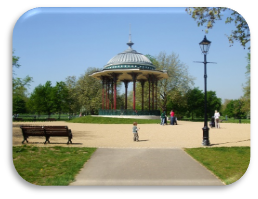
My consulting room is in a central location; directly opposite Clapham Common. I value my client’s experience and am pleased to offer a spacious, comfortable and convenient space.
2 minutes walk from Clapham Common Tube, and local buses (155, 50, 249, 35, 37, 137, 345). Within easy reach of Clapham Junction, Stockwell, Wandsworth and Balham.

Email: cazbinstead.counselling@gmail.com; phone: 07837 478752
……………………………………………………………………………………………………………………..
In addition to individual counselling, I offer couples counselling, and mindfulness-based approaches. Please contact me directly for further information.
One of my specialisms as a therapist is working with anxiety, and I am keen to work with people who experience high anxiety levels (and related issues such as panic attacks, social anxiety, OCD etc.). A few years ago, I had an article published with The British Association for Counselling and Psychotherapy on this, which is featured below:
How do you deal with anxiety or help someone with anxiety? BACP member Caz Binstead explains how counselling can help.
Anxiety is a feeling of worry or fear that is a normal response to a range of different situations.
It can affect your mental health when you feel anxious every day and can’t remember when you last felt relaxed.
Counselling can help you explore the cause of these feelings, understand them and suggest ways of dealings with situations. A counsellor can help you learn how to cope with anxiety.
What causes anxiety?
“Anxiety stems from our ‘flight or fight’ response. This happens when our body feels as if it’s in danger,” says Caz Binstead, a counsellor based in London.
The fight or flight response is an automatic reaction which we have no control over. Our bodies release hormones, such as adrenaline to make us more alert.
Normally when the threat has gone our body triggers different chemicals to help us relax. We will calm down after the adrenaline rush.
However, with the anxiety fight or flight response, this tends not to happen. We habitually read fearful situations as if they are dangerous.
“We think there’s a danger, but there’s not. That’s when we become anxious,” she adds.
“Part of our human response is problem solving. We want to know what we need to do to stop the situation that’s making us anxious. But actually our anxiety builds up even more.
“Different people can react differently to different situations. One person may get anxious because they think their boss has given them a funny look. But another person wouldn’t be bothered by it.”
Talking to a counsellor can help you understand what particular situations in your life are causing your anxiety.
People can also become anxious about their anxieties, for example the anxiety someone faces ahead of travelling on a London underground train at rush hour, because they know that being on the crowded train makes them feel anxious.
What does anxiety feel like?
We’re all familiar with the expressions that describe common physical feelings relating to anxiety, for instance having butterflies in the stomach or jelly legs.
Anxiety can show itself in a range of physical signs, such as an increase heart rate, muscle tension, dizziness, sleeplessness, hyperventilating and wanting to use the toilet more. These are caused by the hormones released by the fight or flight response.
“Some of these can be a normal reaction to external stresses,” says Caz, “But they can be a problem when they start to happen habitually.”
These feelings can interfere with your life, become out of proportion and be very distressing.
How to overcome anxiety
It’s important to understand what is causing your anxiety – then you can look at steps to address it.
You may want to look at ways to break out of a cycle of negative thoughts that are making you anxious. Or you may need to think about whether what is making you anxious is a fact – or something you have imagined (such as the true meaning behind the funny look from your boss).
Breathing exercises can help to regulate your breaths physically, which can have an impact on relaxing your mind as well.
Mindfulness techniques, such as meditation, can also have a positive impact for some people.
How counselling can help with anxiety
A counsellor can support you to explore what you’re going through and why you feel as you do.
They can help you find ways to overcome your anxiety that work for you.
Says Caz: “We start by looking at what’s going on for you. What’s causing these fears? Are there any underlying issues, anything that triggers these feelings of anxiety? We explore the unhelpful thinking patterns that you might be having.
“We work with people and their bodies. We look to help them slow down the physical response that causes anxiety.
“We help people to find out which techniques work best for them. Often they need a different focal point such as breathing or meditation to help steer them away from the anxiety response.”